Introduction
Yellow is one of the most versatile colours used across modern manufacturing. From decorative cosmetics and personal care products to coatings, soaps and other speciality formulations, yellow colourants help manufacturers create distinctive shades and consistent product appearances.
Selecting the right yellow colour pigment or dye requires more than choosing a shade. Manufacturers must consider colour strength, solubility, formulation compatibility, stability, processing conditions and the requirements of the intended application.
Yellow colourants include different technologies, such as organic and inorganic pigments and water-soluble dyes. Each has its own characteristics and suitable applications.
BK Prism, operated by BK Solutions & Specialities, offers a range of colour technologies, including dyes, pigments, lakes, pearlescent pigments and value-added colour solutions.
In this guide, we explore yellow colourants, their applications, the differences between dyes and pigments, and the factors manufacturers should consider when selecting a suitable colour solution.
What Is Yellow Colour Pigment?
A yellow colour pigment is a colouring material that provides a yellow shade through the dispersion of pigment particles within a formulation. Most pigments are insoluble in the application medium and remain dispersed rather than dissolving completely.
Yellow pigments are selected according to their chemical composition, shade, colour strength, dispersion properties and compatibility with the final product.
Depending on the pigment grade and application, yellow pigments can be relevant to:
- Decorative cosmetics
- Personal care
- Home care
- Soaps
- Coatings
- Inks
- Other speciality applications
Not every yellow pigment is suitable for every industry. Manufacturers should confirm the suitability of the selected grade for the intended use.
Understanding Yellow Colourants: Dyes vs Pigments
Yellow colour can be achieved using dyes or pigments. Although both provide colour, they behave differently within formulations.
Yellow Dyes
Dyes are generally soluble in an appropriate medium. Water-soluble yellow dyes are particularly relevant to compatible aqueous formulations where dissolved colour is required.
Their selection depends on solubility, colour strength, stability and application-specific requirements.
Yellow Pigments
Yellow pigments are generally insoluble and require dispersion within a formulation. Depending on the pigment chemistry, they can provide different levels of opacity, coverage and colour intensity.
They are used in suitable cosmetic, personal care, home care, soap, coating, ink and speciality applications.
| Feature | Yellow Dyes | Yellow Pigments |
|---|---|---|
| Solubility | Generally soluble in a suitable medium | Generally insoluble |
| Formulation behaviour | Dissolve in a compatible medium | Remain dispersed |
| Colour appearance | Can provide transparent coloration | Can provide opacity or coverage |
| Important factors | Solubility, concentration and stability | Dispersion, shade and compatibility |
| Selection | Depends on the application and formulation | Depends on the application and required performance |
The right colour technology depends on the formulation, desired appearance and regulatory requirements.
Types of Yellow Colourants
Yellow colourants are available in several categories, each offering different properties and performance characteristics.
1. Organic Yellow Pigments
Organic yellow pigments are carbon-based colourants used in applications requiring specific shades and colour performance.
Depending on the grade, they can be considered for:
- Personal care
- Home care
- Soaps
- Coatings
- Inks
- Other speciality applications
The selection of an organic yellow pigment depends on colour strength, dispersion, formulation compatibility and stability.
2. Inorganic Yellow Pigments
Inorganic yellow pigments are based on inorganic chemical compositions and can offer different characteristics from organic pigments.
Their suitability depends on factors such as shade, chemical composition, processing conditions, stability and application requirements.
Manufacturers should evaluate the technical specifications and regulatory status of the specific grade before selecting an inorganic yellow pigment.
3. Water-Soluble Yellow Dyes
Water-soluble yellow dyes are used in compatible formulations where a dissolved colourant is required.
One recognised example is Tartrazine, also known as FD&C Yellow 5, CI 19140 and E102. Its permitted applications depend on the specific grade and the applicable regulations.
For manufacturers seeking water-soluble colour solutions, solubility, colour strength, formulation compatibility and stability are important selection criteria.
Tartrazine: An Example of a Yellow Colourant
Tartrazine is a synthetic yellow dye widely known as FD&C Yellow 5. It is identified by Colour Index number CI 19140 and European food additive number E102.
It is associated with a bright yellow shade and is used in applications where its use is permitted.
The product reference supplied for BK Prism lists the following information for its Tartrazine grade:
| Parameter | Listed Specification |
|---|---|
| Product identification | Tartrazine / FD&C Yellow 5 |
| C.I. number | 19140 |
| E number | E102 |
| EC 1223/2009 status | Check mark shown in the reference |
| IS 4707 status | P (4) |
| pH stability | 3 to 11 |
These specifications should be confirmed against the current technical documentation for the exact grade before being published as verified product or compliance claims. In particular, regulatory status must be checked for the intended application and target market.
Tartrazine is a dye, not an insoluble yellow pigment. It is included here as an example of a yellow colourant within the broader yellow colour solutions category.
Applications of Yellow Colourants
Yellow colourants serve different purposes across multiple industries. The correct choice depends on the chemistry of the colourant and the requirements of the final formulation.
1. Decorative Cosmetics
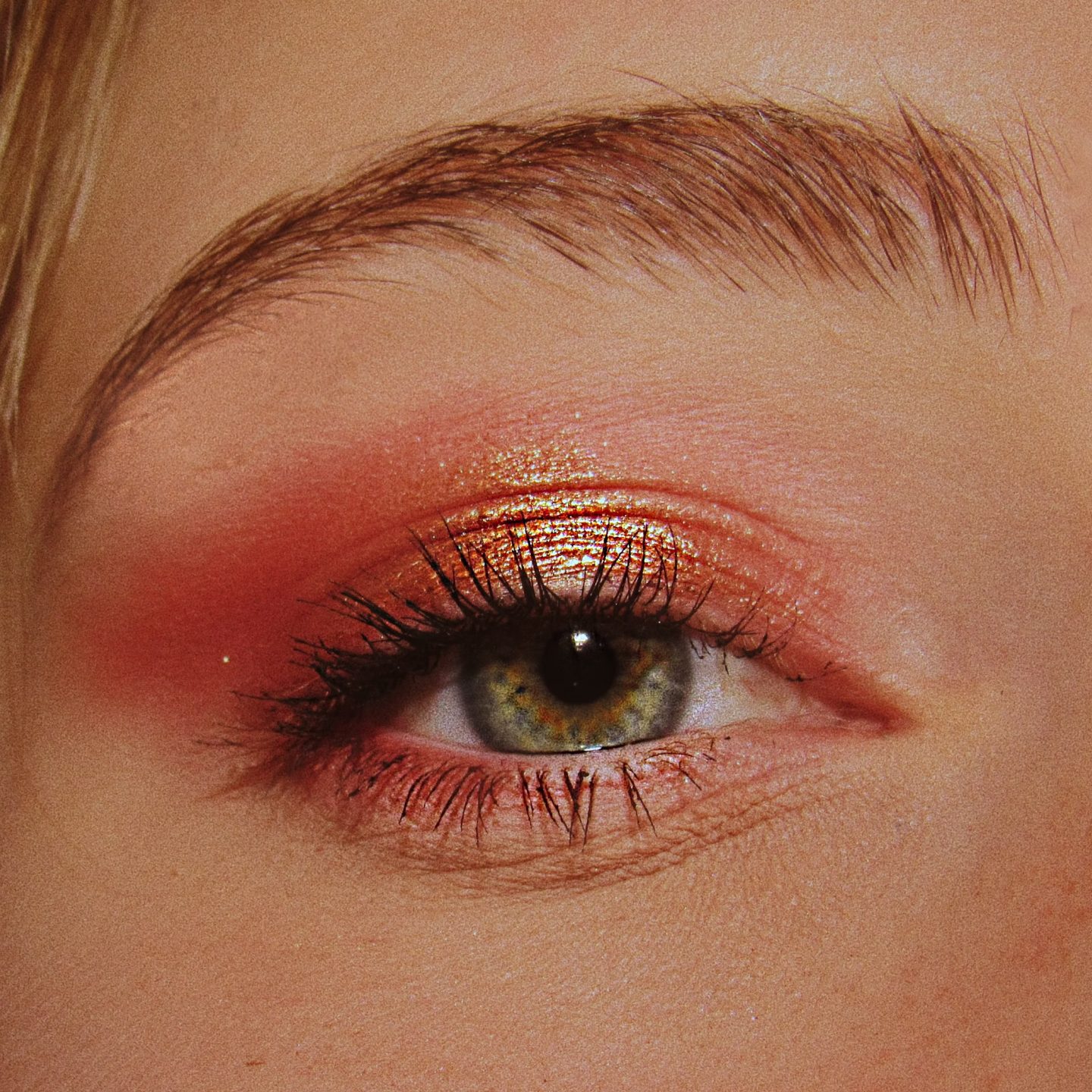
Yellow colourants can contribute to shade development in decorative cosmetic formulations where the selected grade is permitted.
Important considerations include:
- Cosmetic-grade suitability
- Shade consistency
- Colour strength
- Compatibility with the formulation
- Applicable cosmetic regulations
A colourant intended for food or industrial applications should not automatically be assumed suitable for cosmetics.
2. Personal Care
Yellow colourants may be used in suitable personal care formulations to create a particular appearance or product identity.
Manufacturers should evaluate compatibility, stability, processing conditions and the permitted use of the selected grade.
3. Home Care
Yellow colourants can contribute to the visual appearance of compatible home care products.
The formulation’s chemical environment, storage conditions and interactions with other ingredients should be considered when selecting a suitable colour solution.
4. Soaps
Yellow colourants may be used in compatible soap formulations to achieve distinctive shades.
Factors such as formulation pH, processing temperature, base composition and colour stability can influence the final result. Testing within the actual soap formulation is recommended.
5. Coatings
Yellow pigments can provide colour to suitable coating systems.
The selection process should consider dispersion, shade, compatibility with the binder, processing conditions and the performance required in the finished coating.
6. Inks
Yellow pigments can be used in suitable ink formulations where the desired shade and colour performance are required.
Manufacturers should assess dispersion quality, colour strength, compatibility and production consistency.
7. Food and Pharmaceutical Applications
Certain yellow dyes, including Tartrazine, may be used in specific food or pharmaceutical applications where permitted.
The suitability of a grade depends on applicable regulations, product specifications, usage limits and documentation. Food-grade or pharmaceutical-grade suitability should never be inferred from a colour name alone.
Key Factors When Selecting Yellow Colour Pigment
Choosing the right yellow colour solution involves evaluating the entire formulation rather than focusing on shade alone.
Colour Strength
Colour strength influences the quantity required to achieve the desired shade. Consistency is important for maintaining uniform product appearance across production batches.
Solubility and Dispersion
Dyes need to dissolve in a compatible medium, while pigments generally need to be dispersed effectively.
The appropriate process depends on the selected colourant and formulation.
Stability
Colourants may respond differently to heat, light, pH, chemicals and storage conditions. Manufacturers should evaluate performance under their actual processing and storage conditions.
Formulation Compatibility
The colourant should be compatible with the other ingredients in the product.
Testing can help identify potential changes in shade, dispersion or stability.
Quality and Documentation
Manufacturers should review the product specification, identity, purity, batch consistency and relevant technical documentation.
Regulatory Compliance
The colourant must be suitable for its intended application and target market. Requirements can vary significantly between food, pharmaceutical, cosmetic, personal care and industrial uses.
Why Colour Consistency Matters
Consistent colour is important for maintaining product quality and visual identity.
Variations in colour strength or shade between batches may affect the finished product’s appearance and manufacturing processes.
Manufacturers should therefore consider:
- Consistent product specifications
- Appropriate quality-control procedures
- Reliable technical documentation
- Suitable storage and handling
- Formulation-specific testing
- Batch traceability
A systematic selection process helps reduce formulation issues and supports more consistent production.
Choosing a Yellow Colour Solutions Manufacturer
When sourcing yellow pigments or dyes, manufacturers should evaluate suppliers based on more than price.
Important considerations include:
Product quality: Clear specifications and consistent product performance.
Application suitability: Appropriate grades for the intended formulation.
Technical documentation: Relevant product specifications and regulatory documents.
Supply reliability: The ability to support ongoing manufacturing requirements.
Technical expertise: An understanding of colour technologies and formulation considerations.
Selecting a suitable colour supplier can help manufacturers make informed decisions about the colourants used in their products.
BK Prism: Speciality Colour Solutions
BK Prism, operated by BK Solutions & Specialities, offers colour technologies including dyes, pigments, lakes, pearlescent pigments and value-added colour solutions.
Its portfolio supports colour requirements across various industries, subject to the suitability of individual product grades and applicable regulations.
For manufacturers exploring yellow colourants, the selection process should begin with the intended application, required shade, formulation conditions and relevant technical specifications.
Visit BK Prism to learn more about its colour solutions.
Frequently Asked Questions
What is yellow colour pigment?
Yellow colour pigment is a colouring material that provides a yellow shade through dispersed pigment particles. The term is also commonly used in searches for yellow colourants more broadly, although dyes and pigments are different technologies.
What is the difference between yellow dye and yellow pigment?
A yellow dye generally dissolves in a suitable medium, while a yellow pigment is generally insoluble and remains dispersed in the formulation.
What is Tartrazine?
Tartrazine is a synthetic yellow dye also known as FD&C Yellow 5, CI 19140 and E102.
Is Tartrazine a yellow pigment?
No. Tartrazine is a water-soluble dye rather than an insoluble pigment.
Where can yellow colourants be used?
Depending on their chemistry and grade, yellow colourants can be used in decorative cosmetics, personal care, home care, soaps, coatings, inks, food, pharmaceuticals and other suitable applications.
How do I select the right yellow colourant?
Consider the application, desired shade, colour strength, solubility, dispersion, stability, compatibility, product specifications and applicable regulations.
What should I check before purchasing a yellow colourant?
Review the product’s technical specifications, grade suitability, quality documentation, regulatory status and compatibility with the intended formulation.
Conclusion
Yellow colourants are important components of modern product formulation, offering a range of options for achieving distinctive shades across cosmetics, personal care, home care, soaps, coatings, inks and other speciality applications.
Selecting the right colour solution requires understanding the differences between dyes and pigments, evaluating formulation compatibility, assessing stability and confirming regulatory suitability.
BK Prism offers a portfolio of colour technologies, including dyes, pigments, lakes and pearlescent pigments, for manufacturers exploring application-focused colour solutions.
Looking for yellow colour solutions for your formulation? Contact BK Prism to discuss your technical and application requirements.